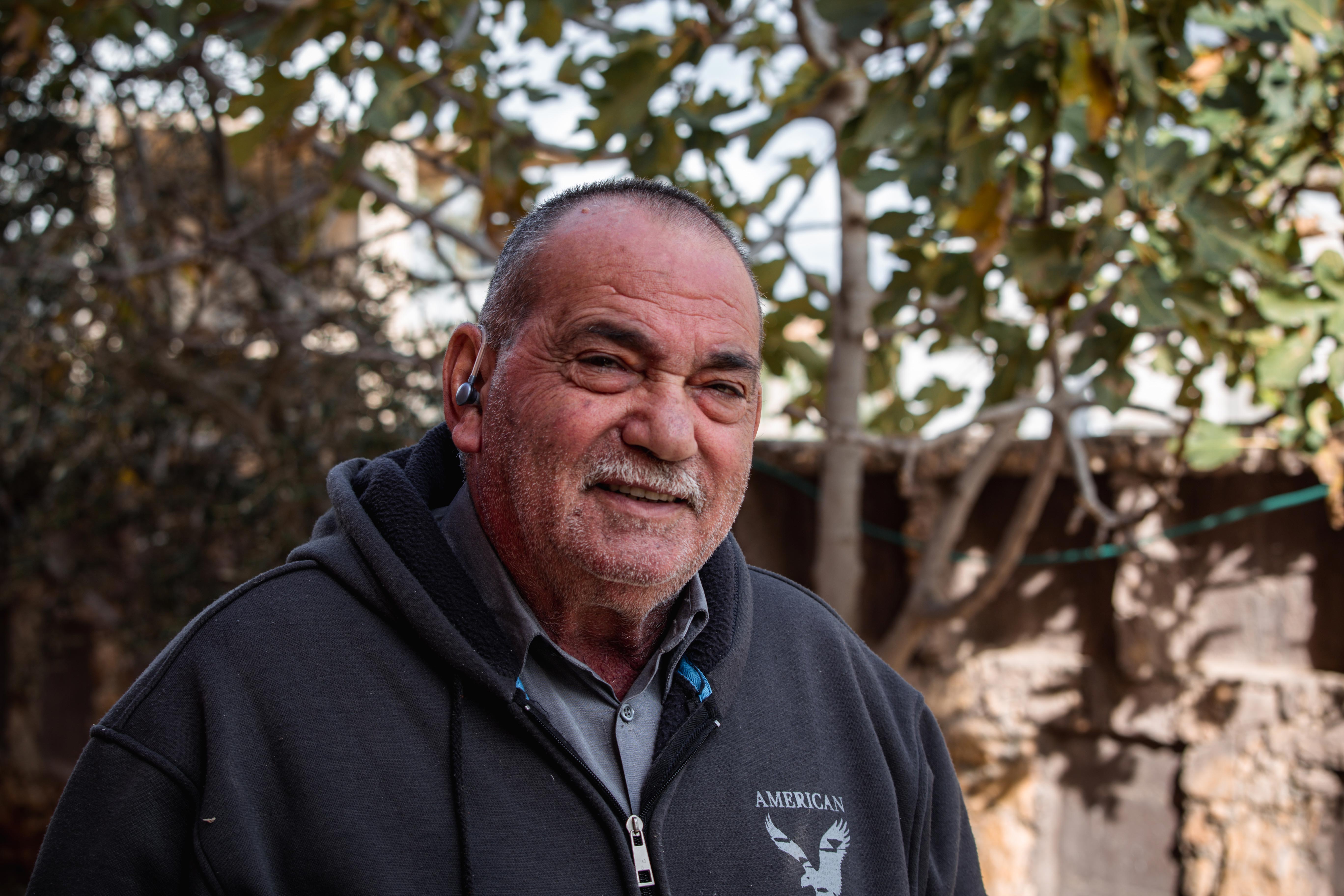
The Fridge of Memories: Yousef Al-Qutob’s Living Archive of Palestine
In a small room northwest of Ramallah, Yousef Al-Qutob opens an old refrigerator.
Not to store food—but to protect memory.

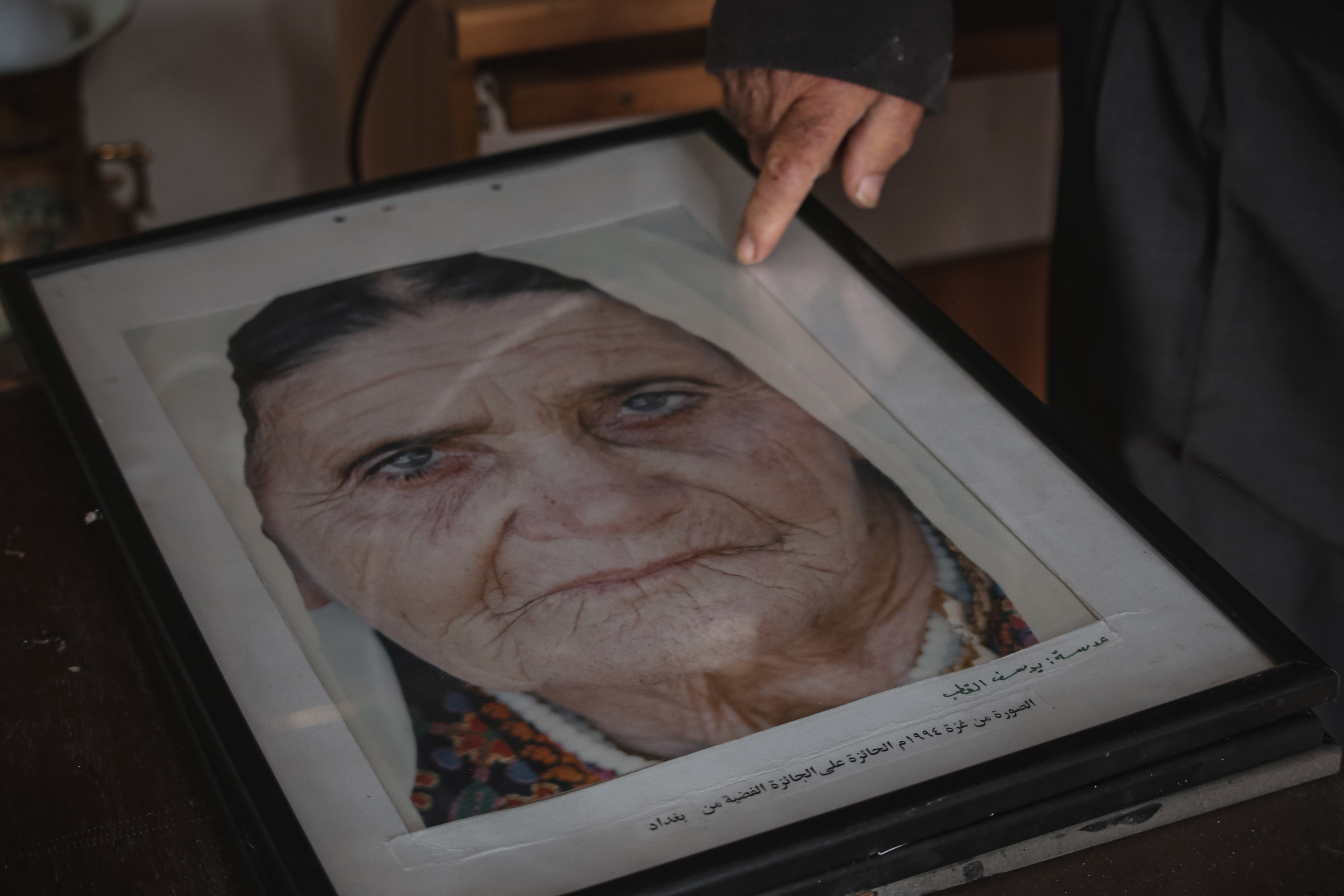
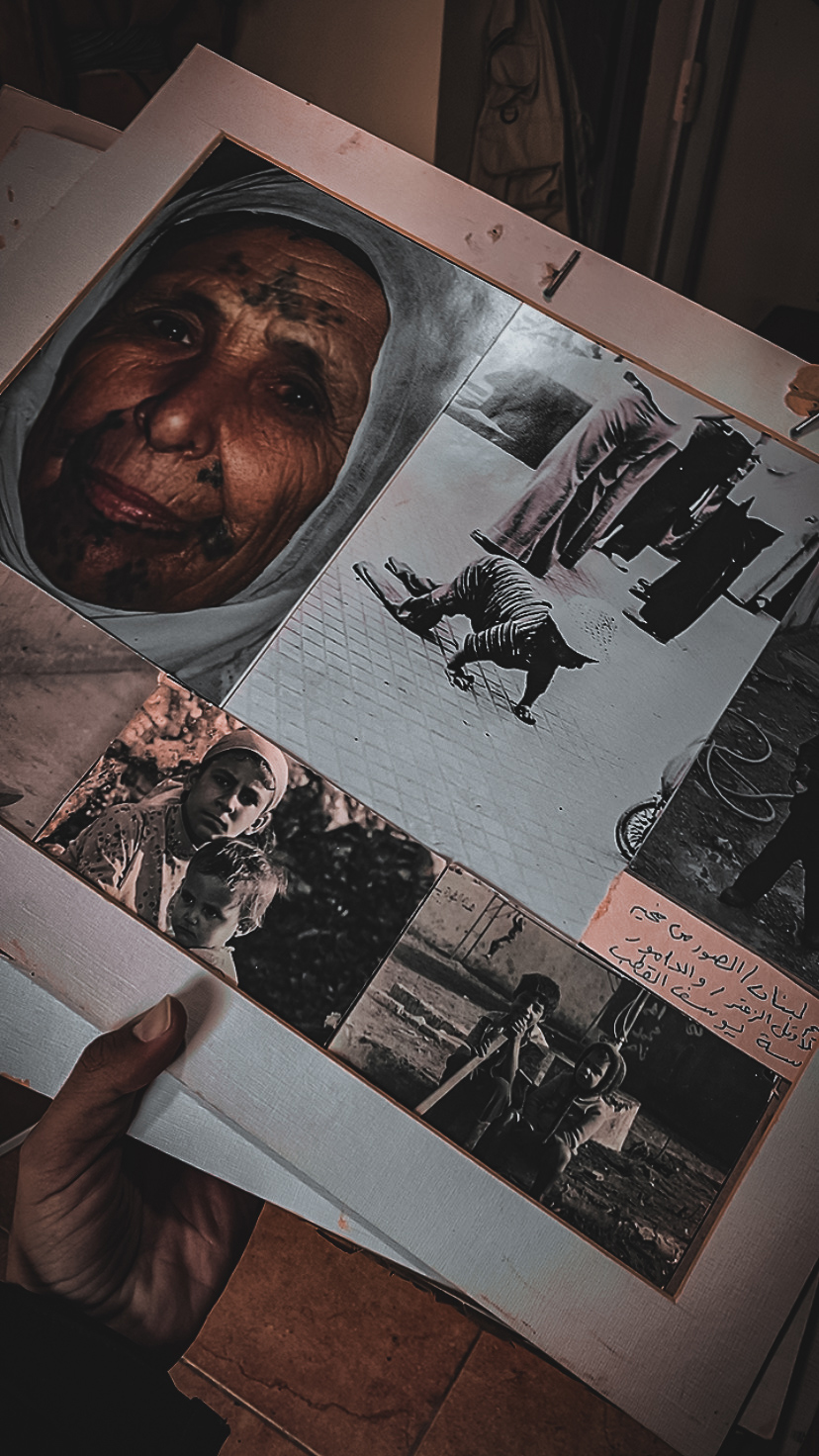
Inside, the smell of aged paper rises. Faces of Palestinian fighters. Villages in South Lebanon. Marches through Beirut. Friends who were killed, others who vanished with time. More than 500,000 photographs live inside this fridge, hidden from frequent settler raids and constant threat.
This is not an archive in the traditional sense.
It is a life preserved under pressure.

From Fighter to Photographer
Before becoming an archivist, Yousef Al-Qutob was a fighter in Lebanon. He carried a small camera alongside his rifle, documenting daily revolutionary life—preparations, fatigue, and brief moments of laughter at night. Photography was never separate from resistance. It was part of it.
During the 1973 war, Yousef survived white phosphorus bombing. The scars stayed with him, shaping his voice and memory. While recovering in hospital, Palestinian media leader Majed Abu Sharar visited him and told him:
“When you finish your treatment, come to me. You have media work waiting.”
That moment changed everything.
Chasing Images Across Frontlines
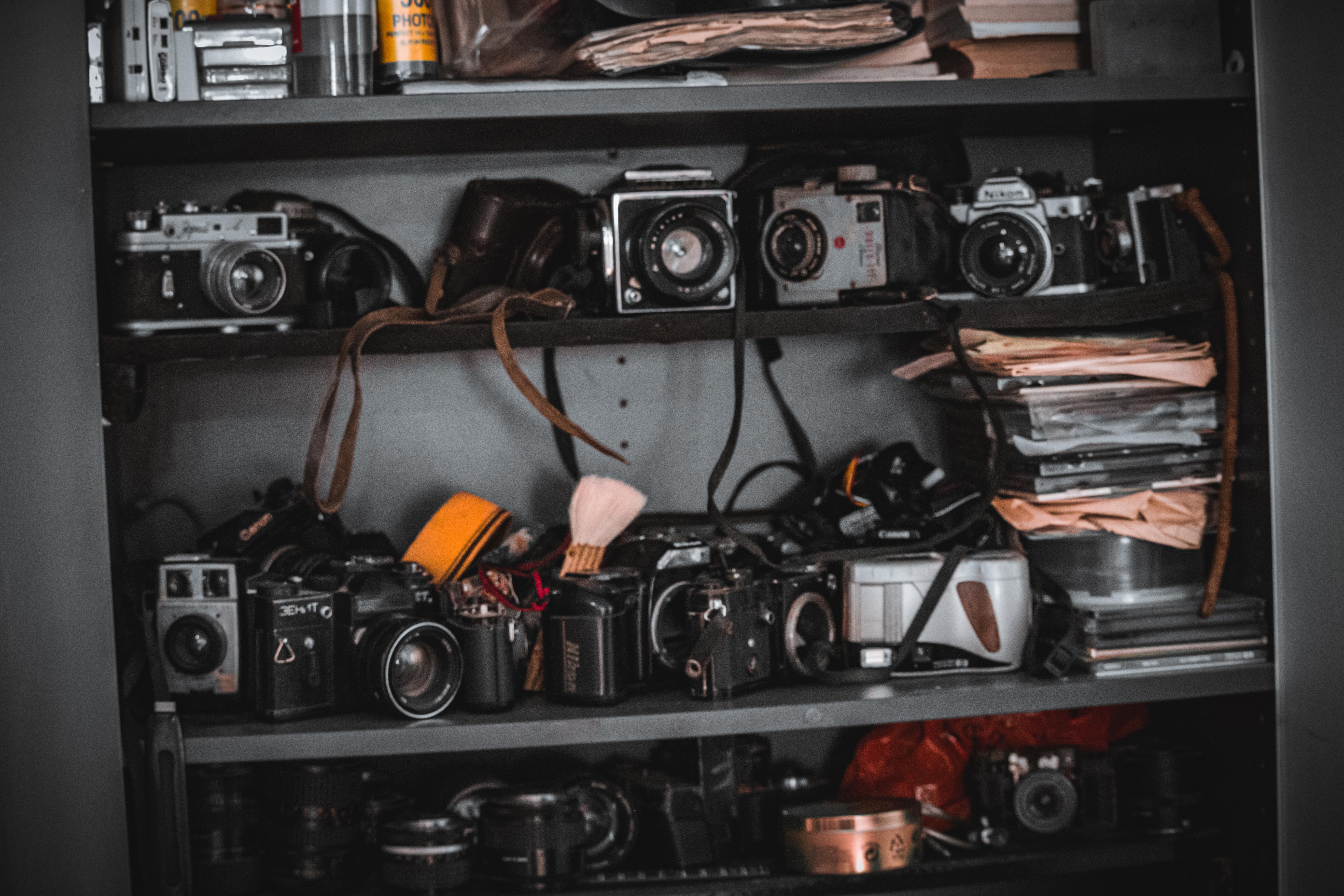
Yousef moved between Beirut and southern Lebanon, documenting the revolution from inside. He bought a motorcycle, traveling to frontlines by day and returning at night to develop film. He searched for images that could survive time—and erasure.
He photographed places no civilians reached. His closeness to fighters meant repeated injuries, but he never stopped. For Yousef, the camera was not a tool of documentation alone—it was a form of survival.
The Images That Never Left Him
Some memories never made it into albums.
In the Saff al-Hawa area, six photographers went out to cover events. A tank opened fire without warning. Yousef and two others escaped behind a mountain. The rest hid in a cave. There, cinematographer Moti’ Ibrahim and photographer Omar Al-Mukhtar were killed, along with a third colleague whose name faded but whose image did not.
Those photographs remain in Yousef’s mind—sharper than negatives.
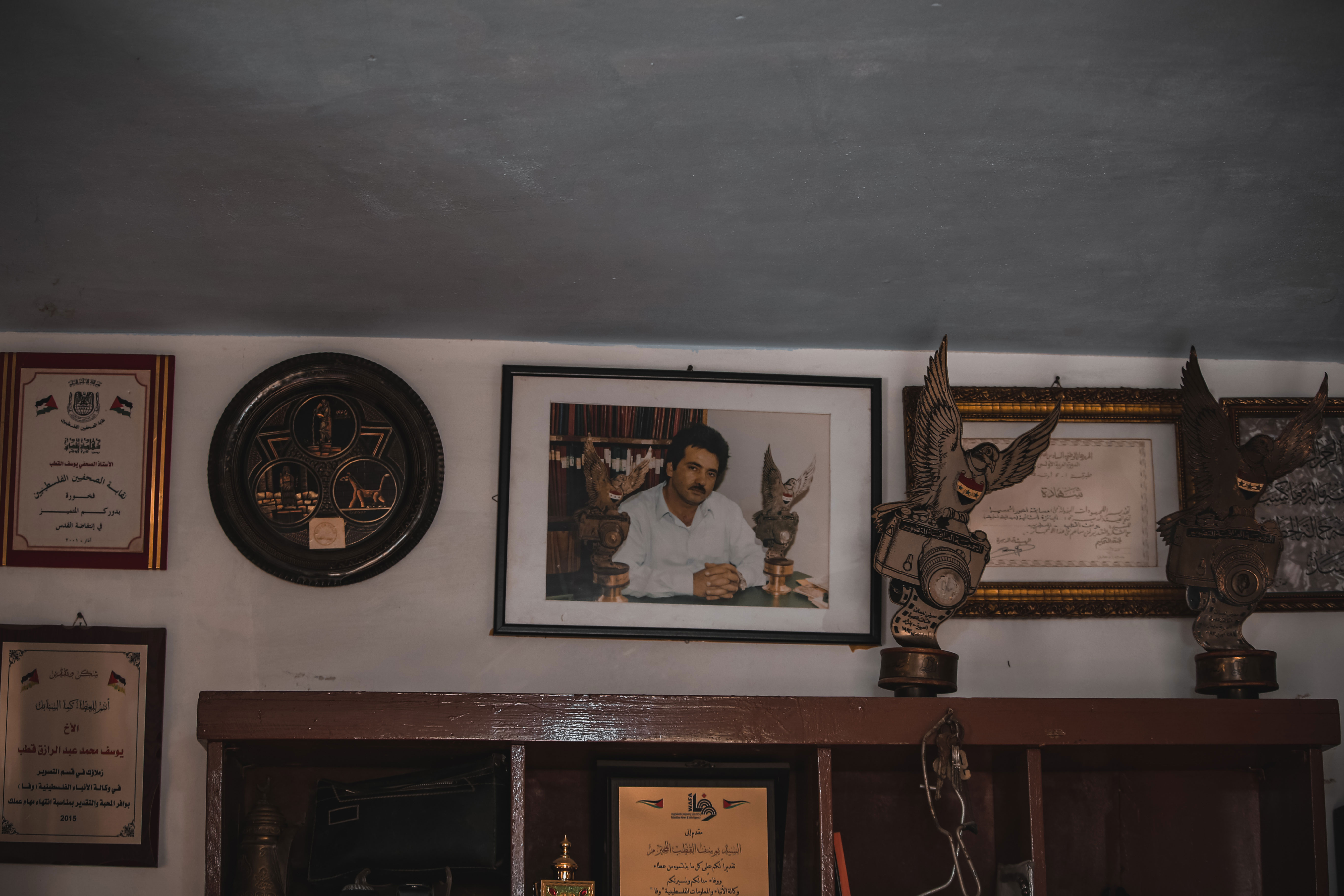
A Refrigerator Full of History
Today, when Yousef opens the fridge, he is not showing an archive. He is showing his life. Negatives, prints, images untouched by light for decades.
“This is the history of Palestine,” he says quietly.
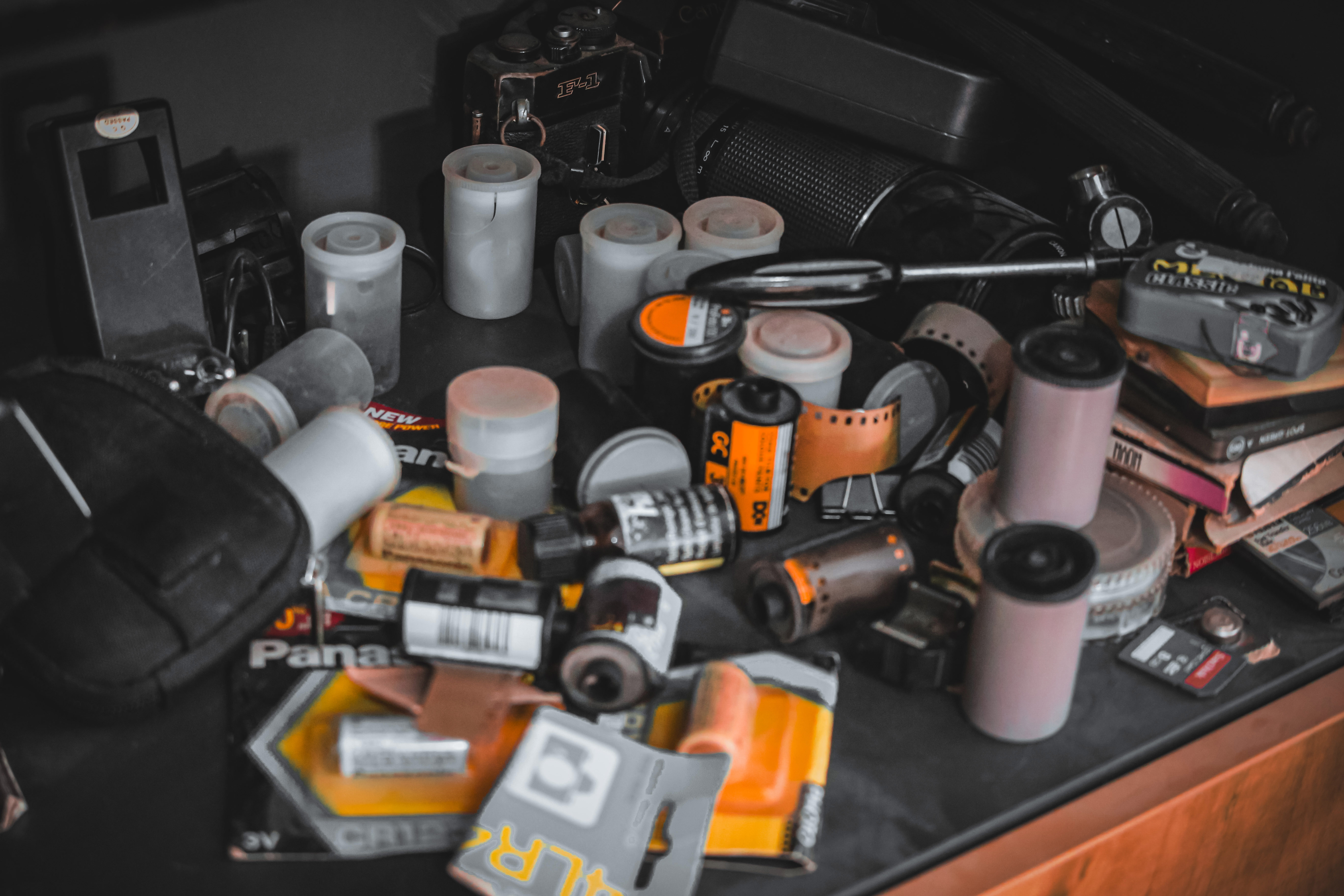
“If it’s lost, who will tell our story?”
The refrigerator is not symbolic—it is necessary. A fragile solution to protect five decades of Palestinian visual history from confiscation, destruction, or disappearance.
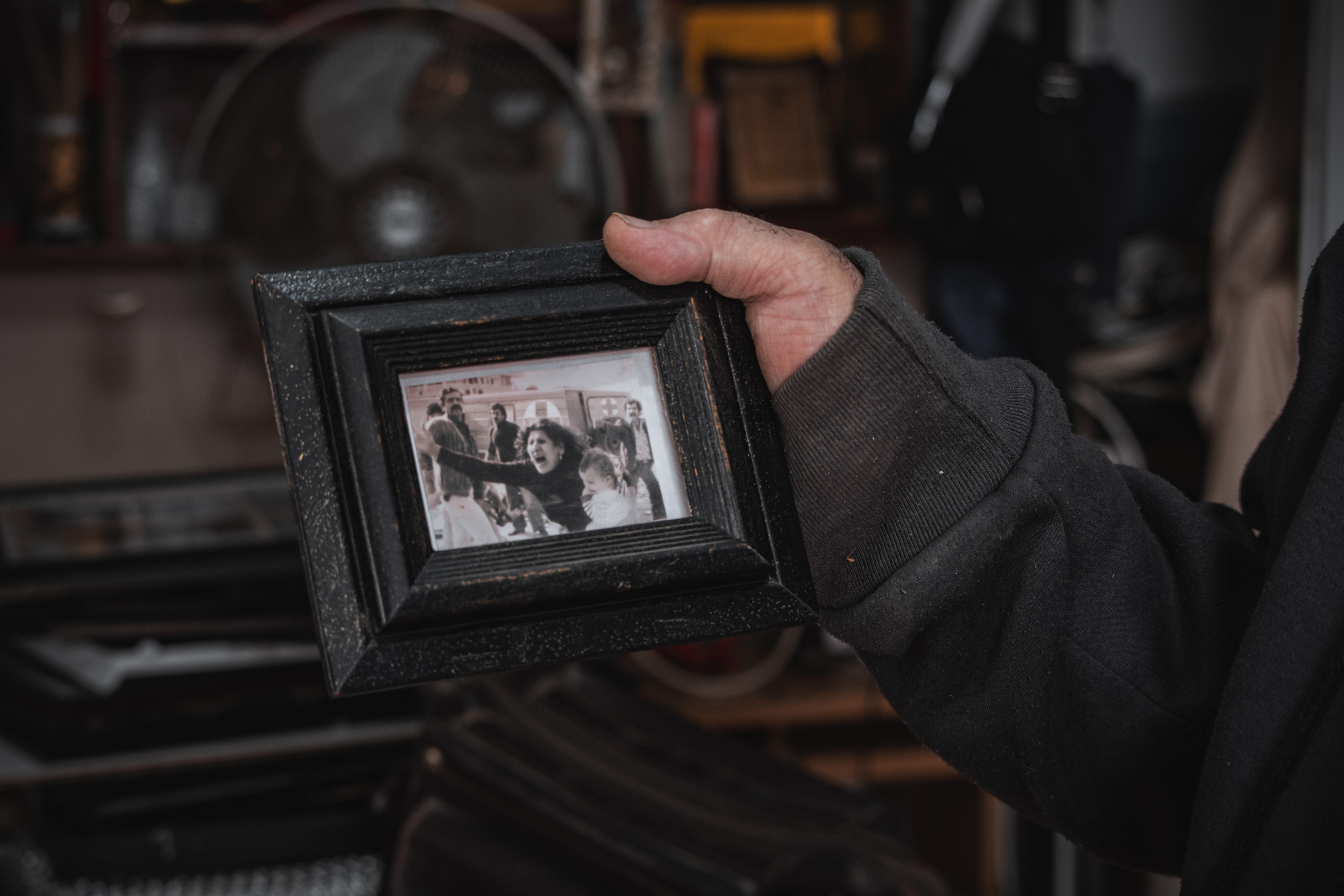
Still Holding the Camera
Though officially retired, Yousef still photographs. Not as a job—but as a habit formed over fifty years. He fears for his archive more than for himself. What haunts him is the idea that a lifetime of memory could be erased in seconds.
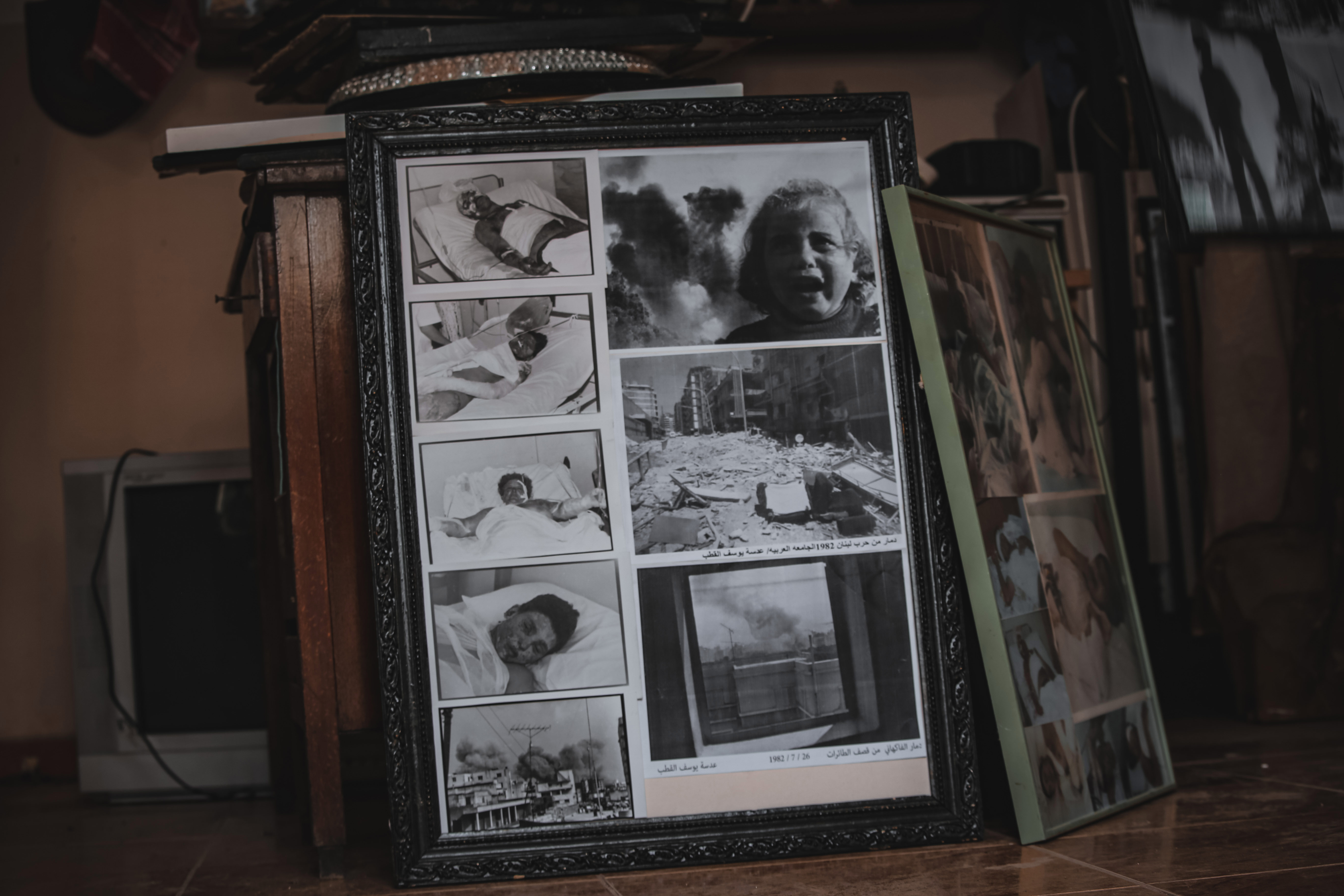
Why This Archive Matters
Yousef Al-Qutob does not seek recognition. He wants something simpler: for people to see, to listen, and to understand that these photographs are not personal possessions.
They are living evidence of Palestinian history—captured through war, exile, and loss, and preserved in the most unlikely place: a refrigerator in a small village near Ramallah.